
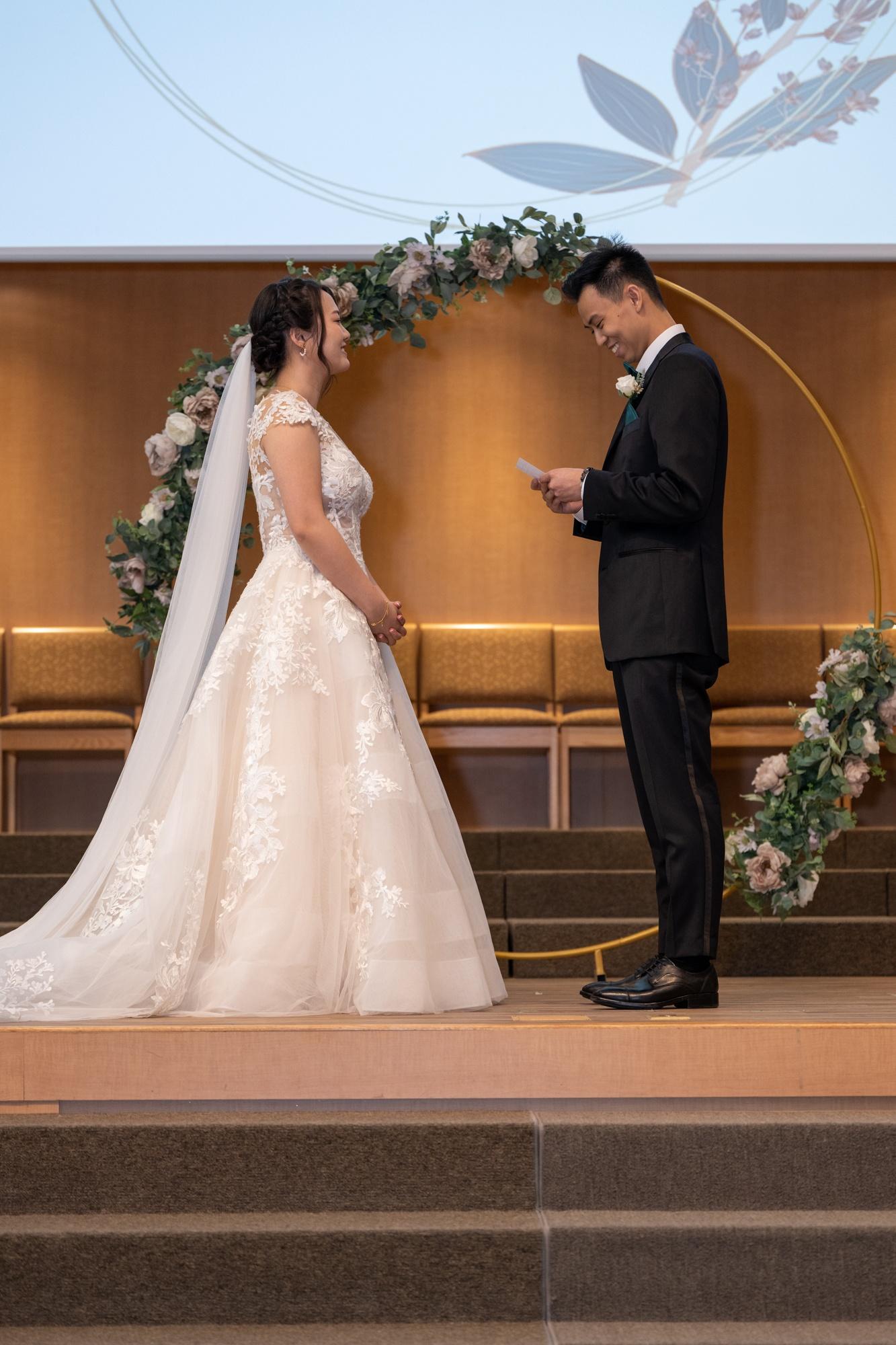
Tips on writing your Wedding Vows
December 20th, 2025
Writing wedding vows can feel emotional and overwhelming—but with a little structure and authenticity, yours can be heartfelt, memorable, and “you.” Here are some tips to guide you:
✨ 1. Start Early
Give yourself time. Vows feel harder when rushed, so start jotting thoughts weeks (or months) ahead.
🧡 2. Reflect on Your Relationship
Think about:
-
How you met
-
A moment you knew they were “the one”
-
What you admire most about them
-
Challenges you’ve overcome together
-
Your hopes for the future
These reflections often become the most meaningful lines.
📝 3. Choose a Tone
Decide together:
-
Romantic?
-
Sweet but simple?
-
Lighthearted with humor?
-
Traditional and serious?
A shared tone keeps vows cohesive during the ceremony.
📚 4. Create a Simple Structure
Here’s an easy formula that works for almost everyone:
-
Open with a personal story or sentiment
-
Express what you love about them
-
Make your promises (the “vows”)
-
Acknowledge the future you want to build
-
End with a meaningful line (a hope, a blessing, a funny promise, a heartfelt statement)
💍 5. Focus on Real Promises
Go beyond the clichés with vows that matter to your relationship. Possibilities:
-
“I promise to always make time for us.”
-
“I promise to speak to you with patience, even when we disagree.”
-
“I promise to celebrate your wins as if they are my own.”
-
“I promise to be your partner in all things, not just the easy ones.”
A few deeply truthful promises beat a long list.
🤍 6. Add Personal Touches
Include inside jokes, shared hobbies, phrases you use with each other, or specific quirks you adore. These make your vows feel uniquely yours.
✂️ 7. Edit for Clarity and Length
Aim for 1–2 minutes when read aloud.
After drafting:
-
Remove repeated ideas
-
Read it out loud
-
Check that it flows naturally
🙈 8. Practice (But Don’t Memorize)
Practice reading your vows out loud a few times so the pacing feels right. Bring a written copy the day of—emotion can make words hard to remember.
❤️ 9. Speak From Yourself
Write like you talk. Simple, sincere language hits harder than poetic lines that don’t sound like you.
👥 10. Check with Your Officiant
Some ceremonies have certain requirements or restrictions (especially religious ones). Make sure your vows fit the format.

more from the blog
Click on what you'd like to learn more about.



 Investments